

Like the past three years, we started our 2020 school year at Lincoln School Costa Rica with a school-wide theme to create a clear, common message among our faculty and staff. Our theme this year: Leading Forward. This post is a personal variation of what we presented to staff as a leadership team on our first morning together in late July. We made it an interactive experience, with each of the four division principals handling a section of the presentation and regular breaks for participants to journal and in some cases share their responses to each of the prompts…
“When we get back to normal…”
This, in some variation, has become what may be the most commonly used phrase in 2020. But what is “normal,” and why do we all of a sudden want to go backwards? The grieving process is important, to be sure, and we must support one another as each of us comes to terms with our changing world and new realities. But I think one of the most important things educators need to do as we face the Covid-19 pandemic and look to a radically different sort of school year in the second half of 2020 is pay really close attention to our choice of words and to recognize their power.
What if, instead of getting “back to normal,” we instead strive to LEAD FORWARD from here? How would this reframe our mindset and that of our students? Because really, it was only “normal” because we labelled it as such and the only certain thing about life is its ever-changing. That, and sometimes, no matter how hard you try and for no reason at all, life is hard.
I’m no boxer, and in fact I have some personal issues with a mindset grounded in the need to constantly overcome or be in competition, but what the character of Rocky says above is very appropriate to where we all are right now. We’ve all been hit hard by life in the first half of 2020, and need to recognize and come to terms with that. So, we paused here with our staff and asked them to take five minutes to journal one way that life has hit each of them this year. We offered participants a personal example in order to model vulnerability (thank you Brene Brown) and then gave them time. A few of our staff shared their experiences, and then we moved on to an example of way that life hit all of us in common and our collective response to that challenge.
In a sense, this is exactly what we did at Lincoln School in 2019, we built a plane while we flew it. Somehow, we managed to transition from face-to-face to virtual schooling while only missing one day (voluntarily and intentionally) of instruction. We did this while maintaining our academic rigor, monitoring student attendance and wellbeing, offering virtual co-curricular programs, issuing grades, and graduating our seniors. I’ll live the rest of my life without adequately expressing my pride and appreciation in the hard work and dedication of our teachers, staff, and students.
And that’s the thing: it was hard, but there was just so much good in the midst of it.
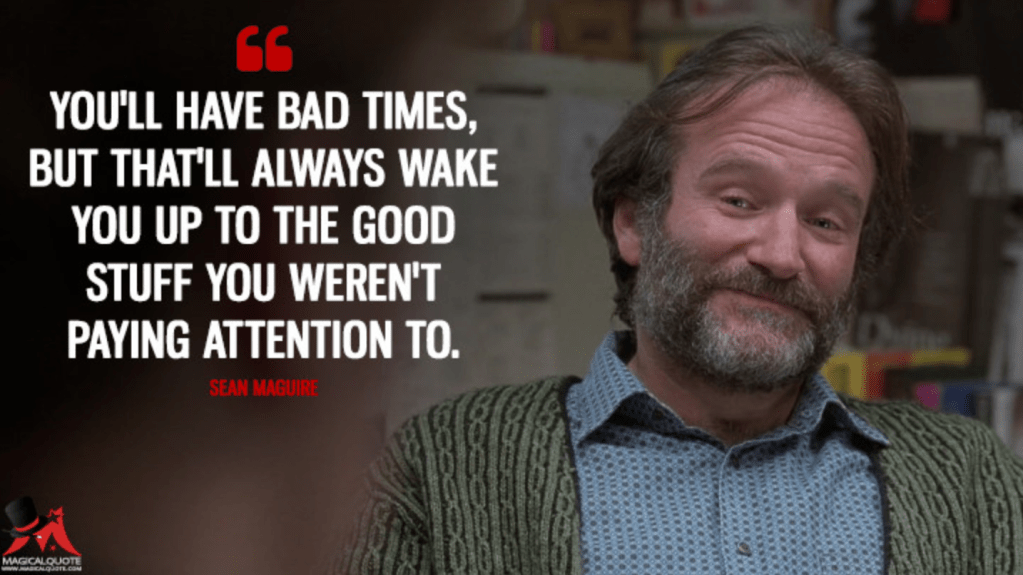
Again we shared an example of something we realized that we may have been missing, or at least not appreciating enough, before the quarantine. We then paused for five minutes to allow everyone to journal their thoughts about something that they realized they’d been missing, and took a few minutes to allow people to share their thoughts. We followed that with the video below, which summarizes the most popular Google search terms in 2019. These are searches from before the Covid-19 virus became a pandemic, but they signal a common desire/need that maybe none of us were paying enough attention to. In 2019, what people were looking for was a hero.
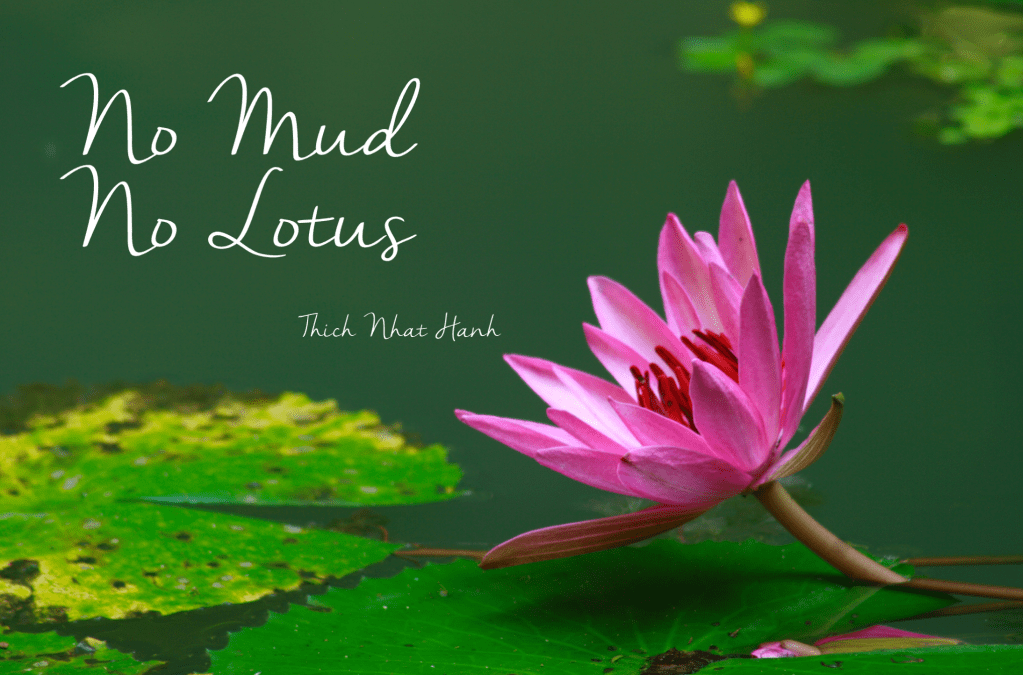
Thich Nhat Hanh recently published a book titled No Mud, No Lotus. It’s a great book that I highly recommend and couldn’t possibly summarize here. For our purposes, we talked about how just as flowers need mud to bloom, we need at least some struggle to learn and grow as well. So again we gave a personal example of how we’ve grown as a result of dealing with the pandemic and quarantine, and we gave our faculty five minutes to think about and journal ways that they have grown from this process as well.
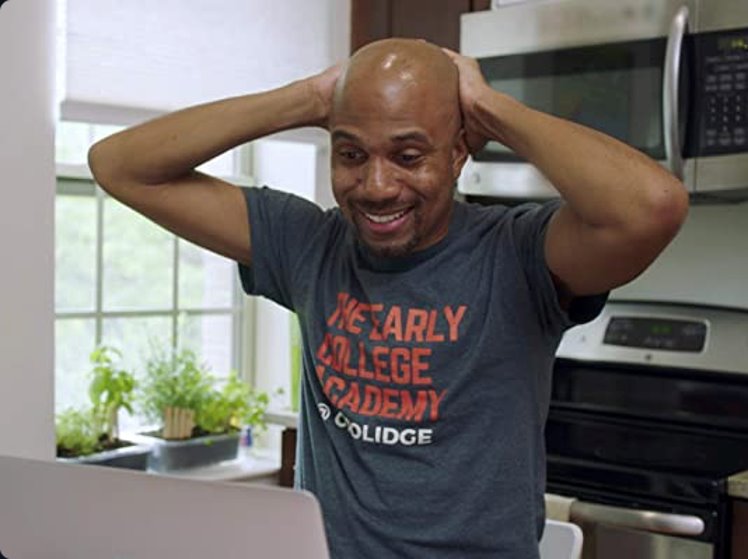
Again we gave some time for sharing, and then we shared a clip of a chemistry teacher from Brooklyn who was featured in the Amazon Prime Series, Regular Heroes.
There’s a story that I don’t think is true but is appropriate here.

Apparently, during the early years of British colonization in India, a group of English noblemen built a golf course near Calcutta in order to keep playing their favorite sport. It was beautiful course full of the native flora and fauna, and therein lay the problem. You see, every time they drove the ball down the fairway a monkey would run onto the course to pick up, play with, and throw their ball before the golfers got there. Tired of the monkeys mercilessly ruining the game they loved and missed, the golfers built fences around all of the fairways. But monkeys can climb, and no sooner had the Englishmen struck their first drive down the newly barricaded fairways than a monkey went over the fence to retrieve and play with the ball. So they tried to remove the monkeys through various methods, some surely too gruesome to go into here, but none of their attempts worked. Ultimately, the golfers were forced to acknowledge that they were not going to be able to play the game as they remembered it. What worked then, simply wouldn’t work now or in the future. So instead, they developed a new rule for their game, that they had to “play the ball where the monkey dropped it.”
2020 may not be full of literal monkeys, but between the Covid-19 pandemic, murder hornets, swarms of locusts, a growing global recession, and bears with nunchucks (yes, that’s a real thing too) we are faced with a reality that may not be of our choosing, but is our reality none the less. So we have a choice to make. We can built fences, erect traps, and fight a futile war with the monkeys, or we can play the ball where the monkey dropped it.
And so we asked our teachers: What lies ahead for you? How will you play the ball where the monkey dropped it? How will you be a hero? How will you lead forward from here?

 Please Come to the Principal’s Office